


Tibet overland tour from Kathmandu
Tibet is an autonomous region belongs to China is located north of Nepal. Coming from China is much further than going Tibet from Nepal so most of the Europeans and Americans enter Tibet from Nepal. Tibet is more than 6 times bigger than Nepal but only living about 2 million people compared to 30 million of Nepal because the average elevation in Tibet is more than 4300 meter and life there in the high elevation is not that easy. As the average elevation is very high Tibet is also considered the roof of the world. There is access to Tibet by road and people can even take a flight from Kathmandu to Lhasa and vice versa. The article focuses on providing necessary information regarding the overland trip to Tibet from Nepal. This is one of the best tours that starts in Kathmandu and ends in Kathmandu, covering all the major highlights that include monuments, landscapes and lakes enroute. We are also going to discuss the necessary travel arrangements and permits to visit Tibet.
How are you arriving in Kathmandu?
You can take a flight, or you can enter overland from India using different port of entry.
Foreigners who are interested to travel in Tibet from Kathmandu we normally recommend at least you arrive 2-3 days before your Tibet trip as this will facilitate acclimatization, recover from jetlag and do necessary travel preparation like buying the gears, documentation etc. These free days you can use visiting the important monuments from Kathmandu. You can check our private day trips if you have confusion about where you go.
The best time to travel to Tibet is from June to September but Tibet is open throughout the year. If you are not making a high pass or if you want to visit just the Lhasa and surroundings you can travel any time of the year. Especially in the wintertime crossing the high passes is not easy due to cold and might be snow on the high elevation. Unfortunately, from June to September in Nepal is rainy season and the travel on Nepal side is an adventurous journey whichever route you will take. Last time I was there in August we got a nightmare nearby the Nepal Tibet border due to landslide triggered by a heavy rain a day earlier.
Journey begins in Kathmandu, what is good for first day
Day 1: Drive from Kathmandu to Dhulikhel and visit to Namobuddha Monastery
Some people start early in the morning from Kathmandu with packed breakfast and drive all the way to Kodari border. The Tibet side is popular by the name Zagmu but Zagmu is the nearest town which is about 7 km far from the friendship bridge. Currently Zagmu is under construction, and no accommodation is available there. If you must go to Rasuwagadhi it is even far to drive in one day. The best option for the first day is you can check out from your Kathmandu accommodation and drive up to Dhulikhel, have lunch there and visit the Namobuddha Monastery and stay overnight at Dhulikhel.
Day 2: Drive from Dhulikhel to Kodari border and cross Nepal enter Tibet and drive up to Nyalam
One of the adventurous days, depending on the season. Early morning drive from Dhulikhel to Nepal Tibet border and do the formalities and drive up to Nyalam. If the road is clear the jeep will drop you nearby the Nepal immigration but in wet season there are always landslides before reaching Nepal immigration so most of the time people has to walk and cross the landslide affected area, hire the porter to carry the bags and might walk or take another shared transfer for about one km up to the Nepal immigration. Pass through the immigration and departure stamp on your passport, pass through the Nepal customs and go to the friendship bridge. On the other side there is China immigration service. To enter Tibet your Tibet guide must show up with your Tibet Travel Permit before passing the immigration. Your guide will facilitate the necessary procedures. As the vehicle is waiting on the other side, board the vehicle and drive all the way to Nyalam which is about 40 km from the border but takes roughly 2 hours as this is the worst part of the Tibetan road. Hotels in Nyalam are ok but most of them do not serve breakfast. One must find a local restaurant not only for dinner but also for breakfast. Tiny small restaurants are there, those with Nepalese crew are better than Chinese. Normally accommodation is concentrated near People’s square and there is a good supermarket to buy some snacks and water for the next day.
Day 3: Drive from Nyalam to Shigatse
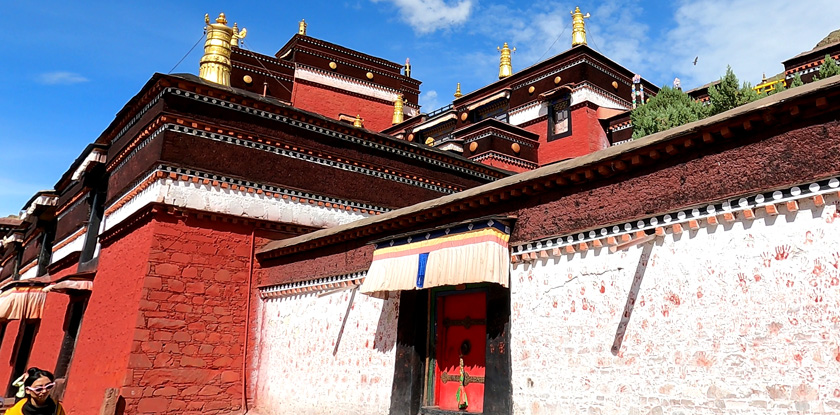
The gradual gain in altitude reaches Nyalam Tong-La almost 5,100 meters from where one can get a view of Shisapangma if the weather is good. The distance covered is roughly 450 kms and takes at least 7 hours to cross this distance. There are beautiful villages of Old Tingri, Lhatse are located on the way. Normally at Old Tingri we stop for Lunch. There are few passes before reaching Shigatse County and city of Shigatse. One can observe the beautiful traditional villages on the way and yak pastures everywhere during the drive. The bifurcation to Everest Base Camp is just before new Tingri also popular by the name Xegar. Shigatse is the second biggest town in Tibet and has all sorts of accommodation including Hilton.
Day 4: Visits in Shigatse and drive to Gyantse
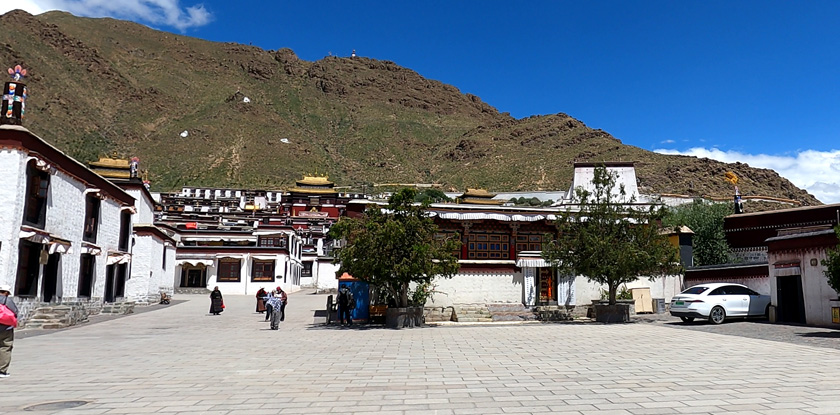
Visit the famous Tashilhumpu monastery in the morning after breakfast, have lunch nearby the monastery and continue driving to Gyantse. Five minutes’ walk towards the left as you come out from the monastery, they even have some cultural show even at Lunch time. The distance between Shigatse to Gyantse is 93 kms and takes 2 hours to cross this. The road passes through the scenic farmland where they grow vegetables and barley. Overnight stay at Gyantse and here also they have nice accommodation and most of the people stay near the Gyantse fort. Tashi restaurants run by Nepalese for last 25 years offer variety of continental and Nepalese food.
Day 5: Sightseeing Gyantse and drive to Lhasa via Simila, Karola Glacier and Yamdrok-tse
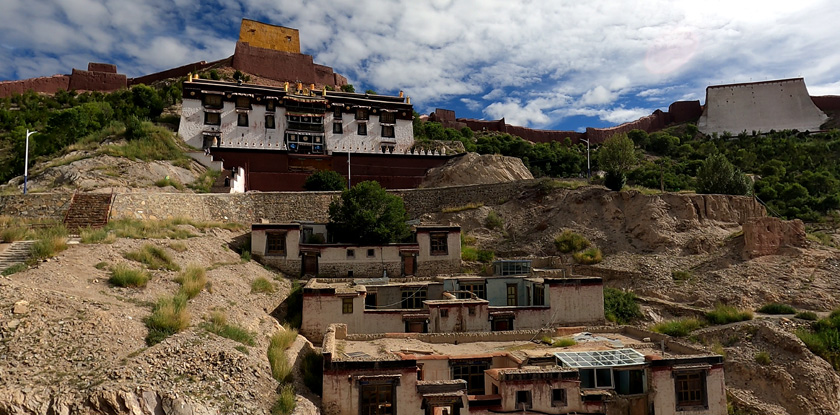
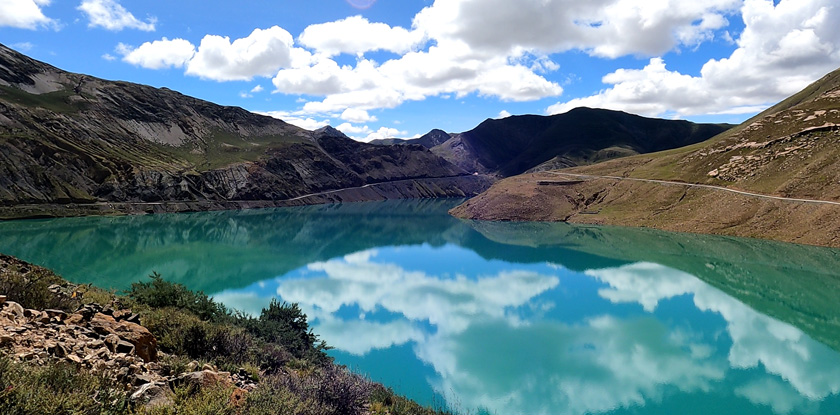
Visit Gyantse including Pelkor Chhode Monastery and Gyantse Khumbum after breakfast. Till now the Gyantse fort or Dzong is not open for visitors but there are viewpoints from where you can get a better picture of the fort. After visiting Gyantse continued to drive towards Lhasa. En route there is a Simla pass having wonderful view of the dam.
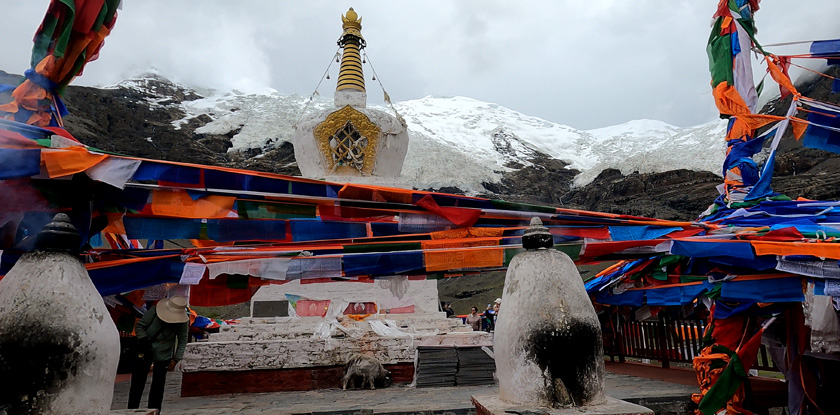
Karola Glacier viewpoint is also considered an attraction. The glacier offers a dramatic view of ice mass with rugged terrain as a backdrop.
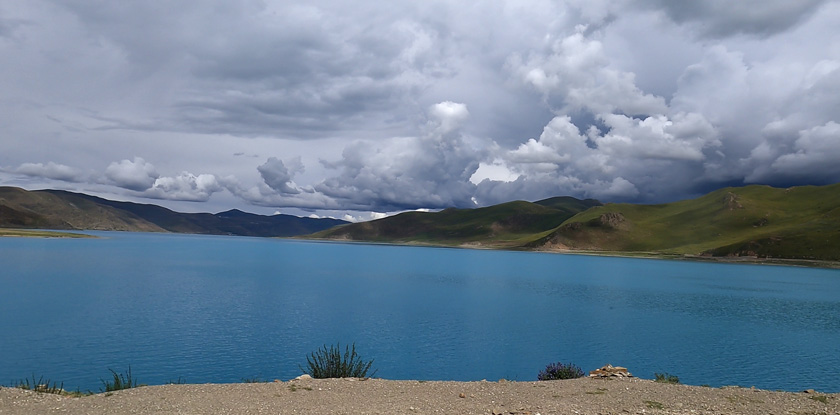
Yamdrok Tse the one of the holiest lakes of Tibet, offers turquoise blue water. Before the starting of the lake stop at Lhasa Kitchen for Lunch.
The distance from Gyantse to Lhasa is 267 kms and normally it takes 5 hours to drive if you go directly bus as this is one of the scenic route people supposed to stop at many places and the lunch break one must calculate at least 8 hours for this day.
Day 6: Lhasa sightseeing icluding Pabonka and Drepung Monastery
Discover Lhasa visiting Pabongka Monastery or Pabonka heritage and Drepung Monastery. After having breakfast one can drive to Pabonka Monastery which was founded by Songtsen Ganpo in 643 AD. The same king has meditated there for three years offers a great view of Lhasa. Have lunch in the city and continue visiting Drepung Monastery. From Drepung Monastery one can admire the view of Lhasa city as well.
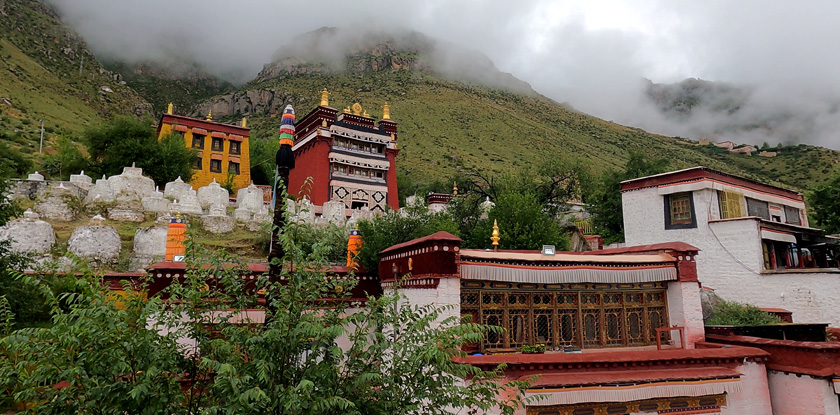
Day 7: Lhasa sightseeing including the famous Potala palace, Jokhang temple and do Kora in Barkhor
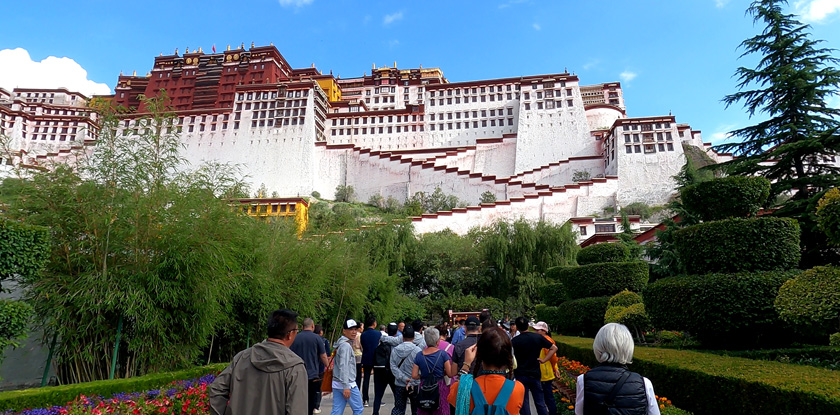
Discover Lhasa visiting the main icon of Tibet, the thirteen storied Potala palace listed in the world heritage site by UNESCO and have lunch in the Barkhor area. After lunch, continue visiting Jokhang temple and reach the golden roof of Jokhang.
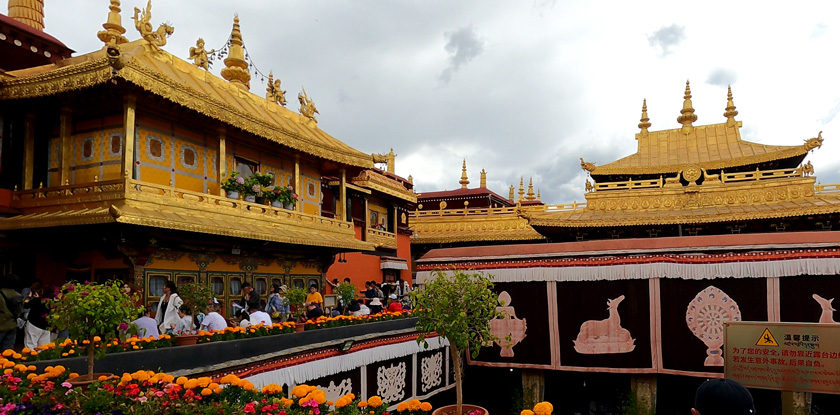
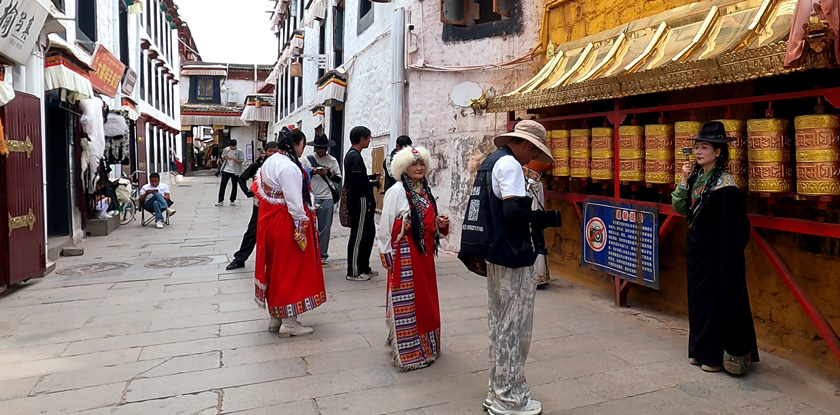
Afternoon stroll around the Barkhor or do the Kora with local pilgrims in Barkhor. If you are interested, you can put yourself in traditional Tibetan attire with make up and take pictures nearby Jokhang. There are lots of shops where you can hire clothes and they even do your make-up as well. They asked 50 Euro per person for hiring the attire and make up. The photo shoot would be extra. One can check the package before starting the make-up.
Day 8: Sightseeing from Lhasa including the famous monastery of Ganden and observe the debating session in Sera
Discover the surroundings of Lhasa by visiting the sacred Ganden Monastery which is located about two hours’ drive from Lhasa. One of the biggest monasteries founded by Jonkhapa, has a great view of the Kyichu valley.
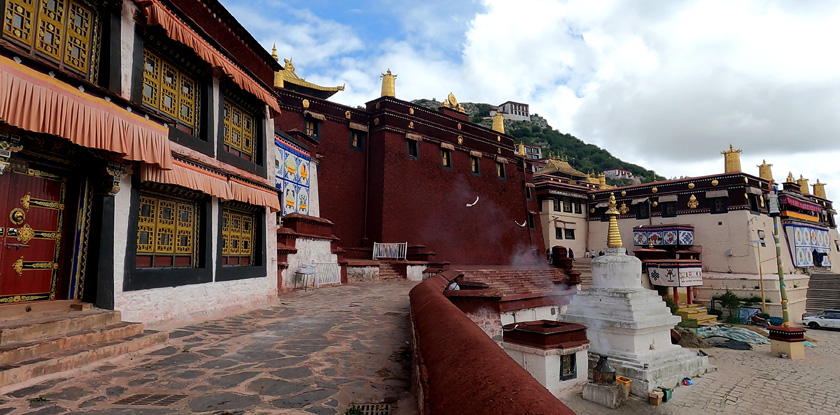
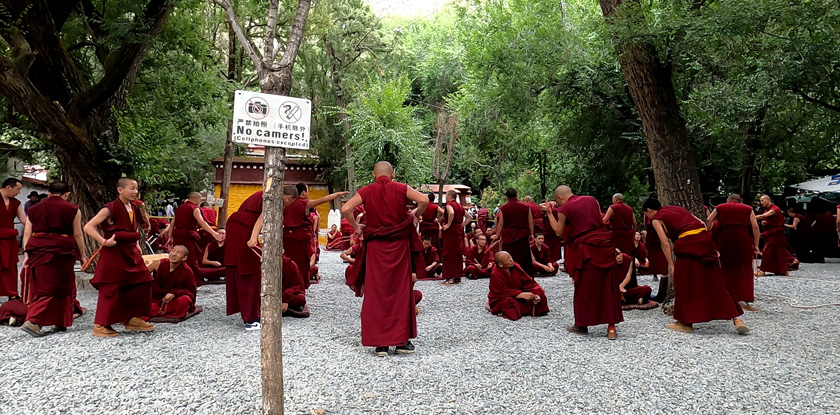
After visiting Ganden have a monastic lunch at monastery cafeteria and drive to sera monastery to observe the debating session by monks. There are no debating sessions during Sunday. One of the gretest question answer sessions I have ever seen. Professional cameras are not allowed but mobile photography is allowed.
Day 9: Rest and recovery day in Lhasa or optional side trip to Samay Monastery
Drive out from Lhasa but we prefer to have rest and recovery as well as shopping day in Lhasa. On this day you can utilize your time on your own doing things of your kind. People enjoy doing massages, pool and spa on this day. You can also buy optional tour to visit Samay monastery which was the first monastery founded by Guru Rimpoche in Tibet.
Day 10: Drive from Lhasa to Xegar (New Tingri)
Another busy day as you drive almost 580 kilometers to reach New Tingri or Xegar, a gateway to Everest. There is an express road with quite a few tunnels to reach Shigatse and it takes roughly three hours. Have Lunch at Shigatse at some local restaurants and continue journey upto New Tingri. From Shigatse to New tingri the distance is 330 kms but the road is not express road, so it takes time. If you feel Ok, you can stop at some pass for pictures.
Day 11: Drive from Xegar to Everest Base Camp and drive Back to Xegar for overnight stay
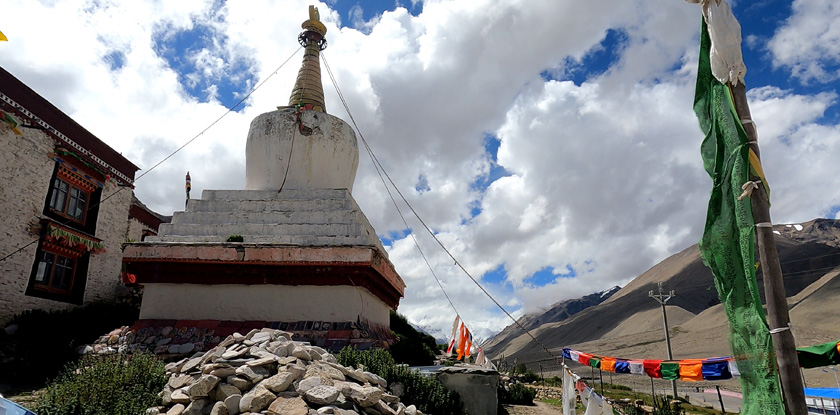
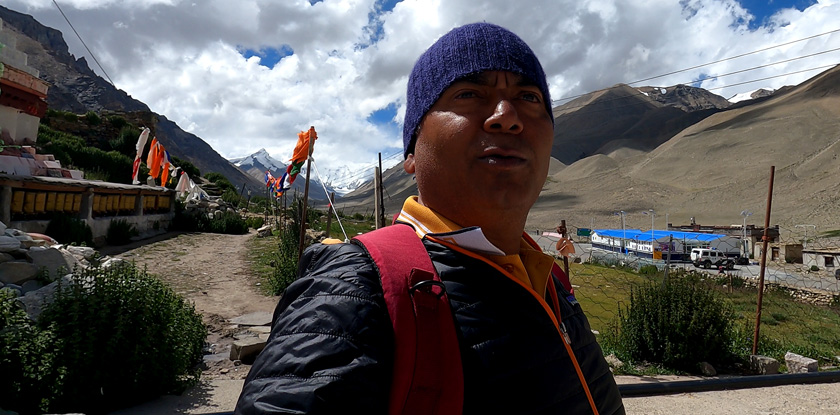
The biggest day to see the biggest mountain in the world. Early breakfast in the hotel and early start to go to Everest Base Camp north side. Normally the transfer up to Everest Base Camp Village, which is about two hours’ drive from Xegar. Just 20 minutes’ drive from New Tingri or Xegar on friendship highway there is a bifurcation where the Tibet team buy your entrance ticket to Everest Base Camp and continue Everest viewpoint located at an elevation of 5,000 meters from where one can grab a view of Everest and Choyu. Descend to Everest Base Camp village from where one must take a shared electric shuttle for next 50 kilometers to reach Rongbuk monastery. Normally it takes one hour drive on an electric bus. Five minutes’ walk from where the bus stops you can reach the highest monastery of Tibet, the Rongbuk monastery at the lap of mount Everest. Nearby Rongbuk monasteries there are accommodations available. Rongbuk Monastery also runs a guest house, mostly 3-4-5 beds. Rongbuk Monastery itself is located at the elevation of 5,100 meters above sea level and has a ticket of 30 yuans to go inside. In front of Rongbuk monastery there is a small stupa which one can observe in most of the pictures of Everest North Face. After walking around and having some drinks take a shuttle again to come back to Everest Base Camp village where you can get lunch. If you wish to have lunch at Everest Base camp on the north side that is also possible. After Lunch drive back to Xegar.
Day 12: Drive from Xegar to Nyalam/ Kerung and stay overnight at hotel.
Day 13: Drive from Nyalam to border, cross friendship bridge and continue drive to Kathmandu.
Early morning start from Nyalam to leave Tibet, cross the friendship bridge and pass-through Nepalese custom and immigration again and drive back to Kathmandu. If Kodari border opens roughly 5 hours’ drive from Kodari one can reach Kathmandu and if Kerung border is open eight hours drive from border to Kathmandu. Currently Kodari border is open as of September 16, 2025.
Day 14: Departure from Kathmandu on other destination or back to your home country.
Write a Comment